Hurricane and Tropical Storm Water Damage in New Orleans, LA
Hurricane rain and surge push water into attics, ceilings, walls and floors across New Orleans, and the dry out has to account for power outages that follow major storms.
(888) 417-5665Call about storm damage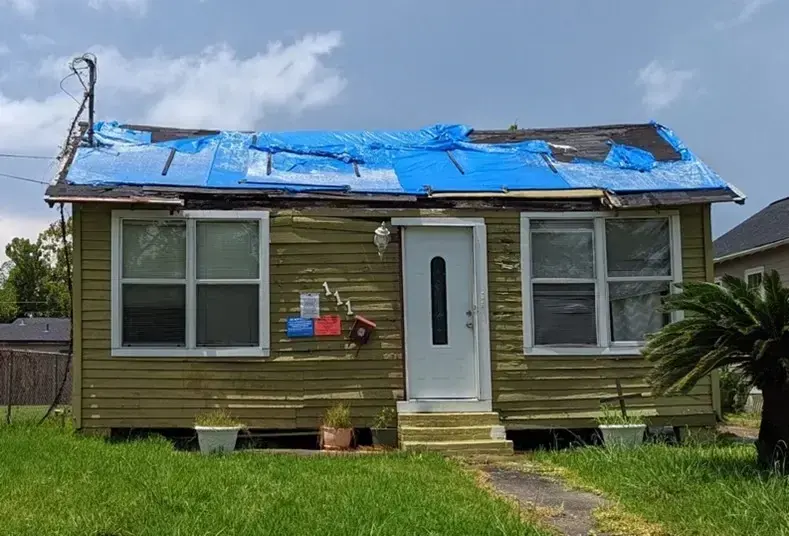
First steps for hurricane and tropical storm water damage in New Orleans
- 1
Wait for safe conditions. Do not enter flooded areas or rooms with sagging ceilings until it is safe.
- 2
Shut off power to wet areas. Turn breakers off for affected rooms, especially during outages and generator use.
- 3
Stop what rain is still entering. Tarp or cover roof openings if it can be done safely.
- 4
Photograph every room. Capture ceilings, walls and floors before anything is cleared.
How the New Orleans restoration team handles hurricane and tropical storm water damage
Rapid local response
Dispatch runs 24/7 across New Orleans, and any active water is treated as urgent at any hour, storms and holidays included.
IICRC S500 drying standard
The drying team sizes air movers and LGR dehumidifiers to the class of loss and keeps them running until the readings say dry.
Claim-ready documentation
A moisture map, daily psychrometric logs and timestamped photos taken before demolition go into the file for the adjuster.
Humid Gulf Coast know-how
Outdoor air near the river holds a lot of moisture, so the crew dries inside closed containment instead of opening windows.
What does hurricane and tropical storm water damage cost in New Orleans, LA?
Storm water damage in New Orleans usually costs $3,000 to $7,500 for one or two ceilings, $7,500 to $16,000 for several rooms and walls, and $16,000 to $25,000+ for a whole house loss. Roof access and outage length affect the final scope.
One or two ceilings
- Wet attic insulation hauled out
- Ceiling drywall taken down
- Air movers and dehumidifier
Several rooms and walls
- Wall cavities opened
- Flooring tested for moisture
- Containment
Whole house storm loss
- Most ceilings affected
- Generator supported drying
- Longer monitoring
Ranges are typical, not a quote: water category, square footage, material class and how fast drying started move the number most. Run the water damage cost calculator for a closer range.
How hurricane and tropical storm water damage is handled in New Orleans
Assess
Moisture meters and a thermal camera trace water through ceilings and walls.
Open and remove
Wet insulation, ceiling drywall and soaked trim come out first.
Dry
Air movers and dehumidifiers run on grid or generator power.
Document
Photos and daily readings are saved for the claim.
Hurricane Katrina in August 2005 flooded about 80 percent of New Orleans, and Hurricane Ida on August 29, 2021 knocked out all eight power feeds into the city. Those two storms shaped how people here think about water damage, because the loss is rarely just rain. It is wet insulation, soaked ceilings and long power outages that slow the dry out. The crew treats each storm loss room by room.
What gets opened after a storm
- Attic insulation that soaked up rain through the roof deck
- Ceiling drywall that sags or stains under trapped water
- Exterior wall cavities where wind driven rain got in
- Flooring that wicked up water or sat under a surge
- Cabinet bases and trim that hold moisture longer
Surge versus rain damage
Rain from above wets ceilings and walls first, usually as clean water. Surge or canal flooding rises from the ground, arrives contaminated and soaks floors, trim and cabinet bases. The levees and floodwalls lower this risk without removing it, and Katrina's flooding followed breaches at the 17th Street Canal, the Industrial Canal and the London Avenue Canal. Each source changes what must be removed.
Drying while the power is out
After Ida, Entergy had to supply backup generation to the Sewerage and Water Board, which shows how stretched power was across the city. A crew that plans for outages brings generator capacity or sequences the work so wet materials are removed first, since most removal can begin without electricity and every removed layer shortens the drying that follows. Heavier jobs also use structural drying once power returns.
Documenting a storm claim
Storm losses involve many rooms, so records matter. Photographs before demolition, daily moisture readings and a room by room list of removed materials give an adjuster a clear picture. Coverage for wind, rain and surge differs by policy, so the property owner should confirm terms with the insurer. More storm related services are listed on the New Orleans hub.
Hurricane and Tropical Storm Water Damage across New Orleans and nearby towns
Marrero Water Damage Restoration handles storm losses in New Orleans ZIP codes 70116, 70122 and 70126, from Lakeview and Gentilly to Algiers and along Canal Street and Magazine Street.
The same service nearby: hurricane and tropical storm water damage in Marrero, Gretna, Westwego.
Related water damage services in New Orleans
Hurricane and Tropical Storm Water Damage questions in New Orleans, LA
Water spreading as you read?
Call and describe the damage. The crew plans removal, drying and paperwork around the storm, and whether the power is on.
(888) 417-5665 Read storm damage questionsDoes hurricane damage mean the whole house must be dried?
Not always. A moisture map shows which ceilings, walls and floors are actually wet, and only those areas are opened and dried, so a house with one wet corner is not treated as a total loss.
How is storm rain different from surge flooding?
Rain from a damaged roof is usually clean when it arrives, while surge or canal flooding is contaminated. That difference decides whether materials are dried in place or removed.
Can drying continue during a power outage?
Removal of wet materials can begin without power, and drying equipment can run on generators. Ida cut all eight power feeds into the city in 2021, so outages are a real planning factor.
Should wet attic insulation be removed?
Usually yes. Insulation that has absorbed rain holds moisture against the ceiling below and dries slowly, so it is removed to let the ceiling and framing dry.
What should be photographed after a hurricane?
Every wet room, from wide shots to close ups of stains, standing water, damaged belongings and the roof opening if it is visible. Dated photos help an adjuster compare conditions later.
How long can wet drywall wait?
Damp materials can start growing mold within 24 to 48 hours, which is why wet ceilings and walls are opened and dried quickly instead of being left to air out.
Get ceilings and walls dry after a New Orleans storm
Call and describe the damage. The crew plans removal, drying and paperwork around the storm, and whether the power is on.
(888) 417-5665Call the storm damage crew