Hurricane and Tropical Storm Water Damage in Westwego, LA
Westwego sits in a Gulf hurricane region, with Lake Salvador, Lake Cataouatche and Bayou Segnette to the south. Wind driven rain and surge call for fast drying of ceilings, walls and floors.
(888) 417-5665Request storm damage help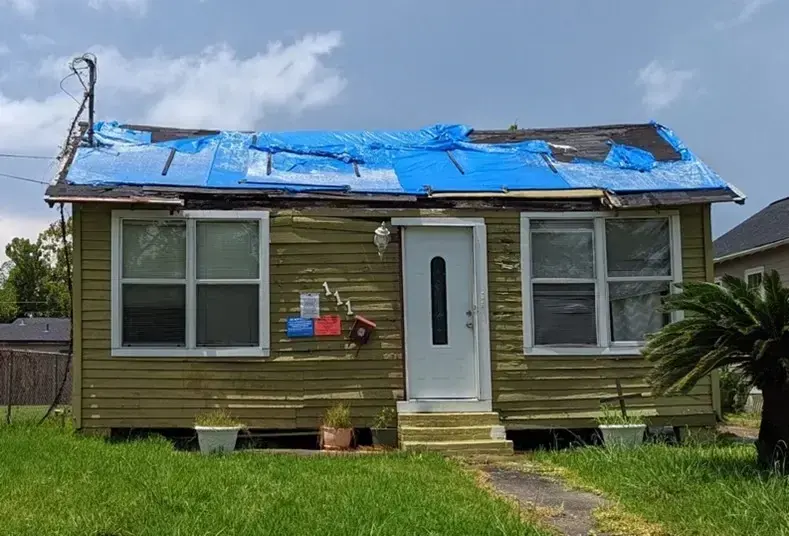
First steps for hurricane and tropical storm water damage in Westwego
- 1
Mind the power. Stay away from wet ceilings, outlets and fixtures until power to the area is off.
- 2
Contain what drips. Set buckets under leaks and move furniture and electronics to dry rooms away from the leaks.
- 3
Photograph everything. Capture ceilings, insulation, walls and floors before cleanup begins.
- 4
Call early. Report each wet room so the crew can plan drying around a possible power outage.
How the Westwego restoration team handles hurricane and tropical storm water damage
Rapid local response
Dispatch runs 24/7 across Westwego, and any active water is treated as urgent at any hour, storms and holidays included.
IICRC S500 drying standard
The drying team sizes air movers and LGR dehumidifiers to the class of loss and keeps them running until the readings say dry.
Claim-ready documentation
A moisture map, daily psychrometric logs and timestamped photos taken before demolition go into the file for the adjuster.
Humid Gulf Coast know-how
Outdoor air near the river holds a lot of moisture, so the crew dries inside closed containment instead of opening windows.
What does hurricane and tropical storm water damage cost in Westwego, LA?
Storm water damage in Westwego typically costs $3,000 to $7,500 for one or two ceilings, $7,500 to $16,000 for several rooms and walls, and $16,000 to $25,000+ for a whole house loss. Wet attic insulation and surge both push costs up.
One or two ceilings
- Attic insulation removed
- Ceiling drywall down
- Drying equipment
Rooms and wall cavities
- Exterior walls opened
- Flooring checked
- Containment barriers
Whole house storm loss
- Most ceilings wet
- Generator powered drying
- Extended monitoring
Ranges are typical, not a quote: water category, square footage, material class and how fast drying started move the number most. Run the water damage cost calculator for a closer range.
How hurricane and tropical storm water damage is handled in Westwego
Survey
Moisture meters and a thermal camera trace wet ceilings, walls and floors.
Remove
Soaked insulation, ceiling drywall and surge exposed materials come out.
Dry
Air movers and dehumidifiers run, on generator power if needed.
Verify
Daily readings continue until materials reach their dry standard.
Hurricane water rarely arrives as one clean flood. In Westwego it can mean rain driven through a damaged roof, water soaking attic insulation and ceilings, or surge pushed in from the lakes. The parish hazard plan says the city has historically been affected to some degree by hurricane surge. Each source leaves a different mess to sort out.
Rain through the roof and ceiling
Wet attic insulation is heavy, holds water for a long time and drips into ceilings below. Storm crews remove soaked insulation, open sagging ceiling drywall to let trapped water out, and dry the framing above. Roof repairs and tarping belong to a roofer (see roof leak water damage), so drying runs alongside those repairs. A moisture map of the ceiling shows how far the wet area really reaches.
- Soaked attic insulation bagged and removed.
- Ceiling drywall opened where it sags or stains.
- Wall cavities checked for water that ran down.
- Framing and subfloor readings recorded.
Surge from the lakes
Surge from Lake Salvador and Lake Cataouatche can threaten Westwego, and Parish built levees give only partial protection. Surge water counts as contaminated, so carpet, pad and low drywall are usually removed rather than dried in place. Flood cuts are made above the wet mark, and surfaces are treated before drying starts.
Wind damage, power loss and drying
Storms often take the power out, and a closed, wet house in Gulf heat can turn sour quickly. Generators can run dehumidifiers and air movers when the grid is down. Mold can begin within 24 to 48 hours on damp materials, so drying cannot wait for the power to come back. Structural drying planning starts early for that reason.
Documentation for the storm claim
Storm claims can run long, and adjusters want proof of what water did. Photos of ceilings, wet insulation and wall openings are taken before demolition, and moisture readings are logged each visit. Questions about wind versus flood coverage go to the policy holder's own insurer.
Hurricane and Tropical Storm Water Damage across Westwego and nearby towns
Storm calls come in from all of Westwego, including ZIP codes 70094 and 70096, Salaville, Sala Avenue, the Westbank Expressway and the Bayou Segnette area, handled by Marrero Water Damage Restoration.
The same service nearby: hurricane and tropical storm water damage in Marrero, Harahan, Gretna.
Related water damage services in Westwego
Hurricane and Tropical Storm Water Damage questions in Westwego, LA
Water spreading as you read?
Share which rooms are wet, whether power is on, and where the water came from, and the crew will build a plan around it.
(888) 417-5665 Storm damage questionsDoes water from a hurricane count as contaminated?
Surge and flood water usually does, because it carries ground and drain material. Rain through a roof is often cleaner, but it can still pick up dirt from insulation.
How long can wet insulation stay in an attic?
Not long. Soaked insulation holds water against the ceiling and keeps the drywall wet, so it is normally removed early, before sagging or staining spreads.
Can drying run without power?
Yes. Generators can run dehumidifiers and air movers, though crews plan fuel and placement carefully so equipment is safe and the dry out does not stall.
Who pays for hurricane water damage?
That depends on the policy. Wind driven rain and flood are often covered differently, so the policy holder's own insurer makes the call. The crew supplies photos and readings for the file.
Is Westwego at risk from storm surge?
Surge from Lake Salvador and Lake Cataouatche can threaten the city, and levees built by the Parish give partial protection. Rain ponding is a separate problem the pump stations handle.
Should wet drywall be torn out right away?
Not always. Ceiling drywall that is sagging or stained usually comes down, while walls that are only damp can often be dried in place after readings.
Dry out the storm damage in Westwego
Share which rooms are wet, whether power is on, and where the water came from, and the crew will build a plan around it.
(888) 417-5665Get storm help