Hurricane and Tropical Storm Water Damage in Harahan, LA
When a hurricane or tropical storm pushes rain through the roof, windows or walls, wet ceilings, insulation and framing are opened, dried and documented for the claim.
(888) 417-5665Harahan storm water damage help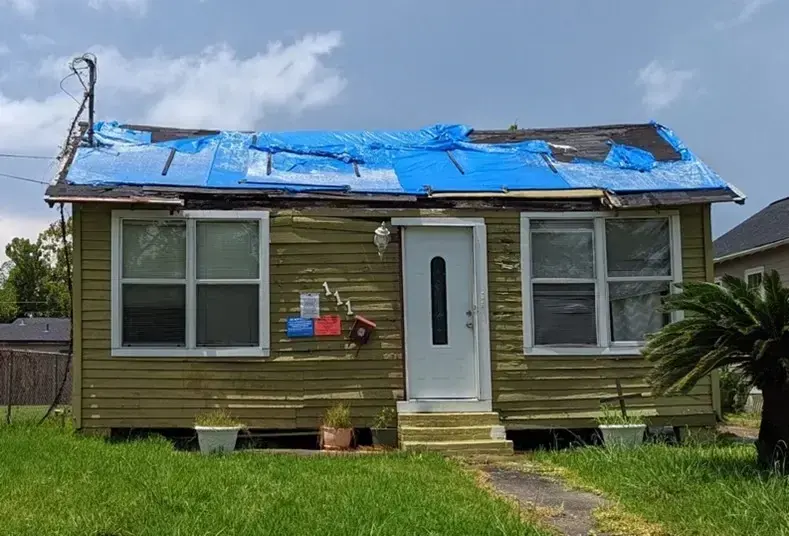
First steps for hurricane and tropical storm water damage in Harahan
- 1
Stay out of danger. Keep clear of sagging ceilings and wet electrical areas until power to those rooms is off.
- 2
Cover the opening. Tarp the roof only if it can be done safely, or wait for a roofer, and move belongings away from drips.
- 3
Photograph everything. Capture the ceiling, walls, floors and the roof opening if visible before anything is removed.
- 4
Call for a dry-out. Phone the restoration crew so wet insulation and ceilings are opened before the damage grows.
How the Harahan restoration team handles hurricane and tropical storm water damage
Rapid local response
Dispatch runs 24/7 across Harahan, and any active water is treated as urgent at any hour, storms and holidays included.
IICRC S500 drying standard
The drying team sizes air movers and LGR dehumidifiers to the class of loss and keeps them running until the readings say dry.
Claim-ready documentation
A moisture map, daily psychrometric logs and timestamped photos taken before demolition go into the file for the adjuster.
Humid Gulf Coast know-how
Outdoor air near the river holds a lot of moisture, so the crew dries inside closed containment instead of opening windows.
What does hurricane and tropical storm water damage cost in Harahan, LA?
Storm water damage in Harahan typically costs $3,000 to $25,000 or more, depending on how many ceilings and walls are wet, whether flooring was reached and how long power stayed off. Roof repair is a separate cost from the dry-out.
One or two ceilings
- Attic insulation removed
- Ceiling drywall taken down
- Drying equipment placed
Several rooms and walls
- Exterior wall cavities opened
- Flooring checked for moisture
- Containment set up
Whole house storm loss
- Most ceilings affected
- Generator powered drying
- Extended monitoring
Ranges are typical, not a quote: water category, square footage, material class and how fast drying started move the number most. Run the water damage cost calculator for a closer range.
How hurricane and tropical storm water damage is handled in Harahan
Secure and assess
Safe access and water paths are mapped room by room.
Remove wet material
Soaked insulation and unsalvageable ceilings come out and are bagged.
Dry the structure
Air movers and dehumidifiers run on a set plan.
Verify and document
Final readings and photos are packaged for the adjuster.
Harahan sits in the Gulf Coast hurricane region, and the Pump to the River drainage work was built after Hurricane Katrina to ease flooding. Storm water still finds its way in from above, through damaged shingles, flashing, vents and windows. Roof leak water damage and wet ceilings are often the first things found after a tropical storm passes. Early drying keeps a roof problem from turning into a mold problem. Early drying keeps a roof problem from turning into a mold problem.
Where storm water goes inside
- Attic insulation that soaks up water and sags onto ceilings
- Ceiling drywall that stains, bows and can drop
- Exterior wall cavities where wind driven rain runs down
- Window and door frames that leak at the sill
- Flooring under the wet walls and ceilings
The sequence of a storm dry-out
The first pass makes the structure safe to work in, with wet ceiling drywall brought down and soaked insulation bagged out. Next come moisture readings in every wall, air movers and dehumidifiers sized to the humid Gulf air, and containment so dust and damp stay in the work area. Readings continue until framing returns to a normal range, and each step is photographed.
Power outages and generators
Storms often knock out power for days, which stops air conditioning and leaves wet rooms warming in the humid air. In that case drying equipment can run on generators, and the crew sets up so the work continues when the grid does not. Furniture and contents are moved to dry rooms, and photos are taken before anything is discarded. Appliances and electronics leave damp rooms first. Appliances and electronics leave damp rooms first.
Claims after a named storm
Adjusters often have many claims to review after a storm, so complete paperwork helps. The crew records the roof opening if it is visible, the wet areas, the material removed and the daily readings. Flood coverage and wind coverage are separate in many policies, so confirm with your own insurance company which one applies to each room. Keep every estimate and receipt in one folder. Keep every estimate and receipt in one folder.
Hurricane and Tropical Storm Water Damage across Harahan and nearby towns
Marrero Water Damage Restoration handles storm water losses in Harahan, ZIP 70123, including Historic downtown Harahan, Harahan Oaks and the Wilson Street area, plus homes along Jefferson Highway.
The same service nearby: hurricane and tropical storm water damage in Marrero, Westwego, Kenner.
Related water damage services in Harahan
Hurricane and Tropical Storm Water Damage questions in Harahan, LA
Water spreading as you read?
Call now so insulation and drywall are opened before staining spreads and the dry-out is logged for the claim.
(888) 417-5665 See the storm answersDoes homeowners insurance cover storm water damage?
It depends on the policy and how the water entered. Wind driven rain through a storm opening is often handled differently from rising flood water, so confirm with your own insurance company.
How soon should storm damage be dried?
Right away. Wet insulation and ceilings sit in humid air, and a mold window opens within 24 to 48 hours, so equipment should start once the area is safe.
Can wet attic insulation stay in place?
Usually not. Soaked insulation loses its value, holds water against the ceiling and slows drying, so it is removed and replaced after the framing dries.
What if the power is out after the storm?
Equipment can run on generators, and the crew uses containment and dehumidifiers to protect wet rooms until power returns. Food and perishables should be handled separately.
Is roof repair part of the dry-out?
No. A roofer fixes the opening, while the restoration crew dries the structure inside. Documenting both helps the claim. See roof leak water damage.
What about water that rose from the street?
Rising water is flood water, which is contaminated and handled separately. Details are on the flash flood cleanup page.
Wet ceilings and walls after a storm
Call now so insulation and drywall are opened before staining spreads and the dry-out is logged for the claim.
(888) 417-5665Call about storm damage