Water Extraction in New Orleans, LA
Standing water in a New Orleans building drains slowly, because the city sits low and relies on pumps, so extraction starts first and moisture mapping and drying follow right behind.
(888) 417-5665New Orleans water extraction help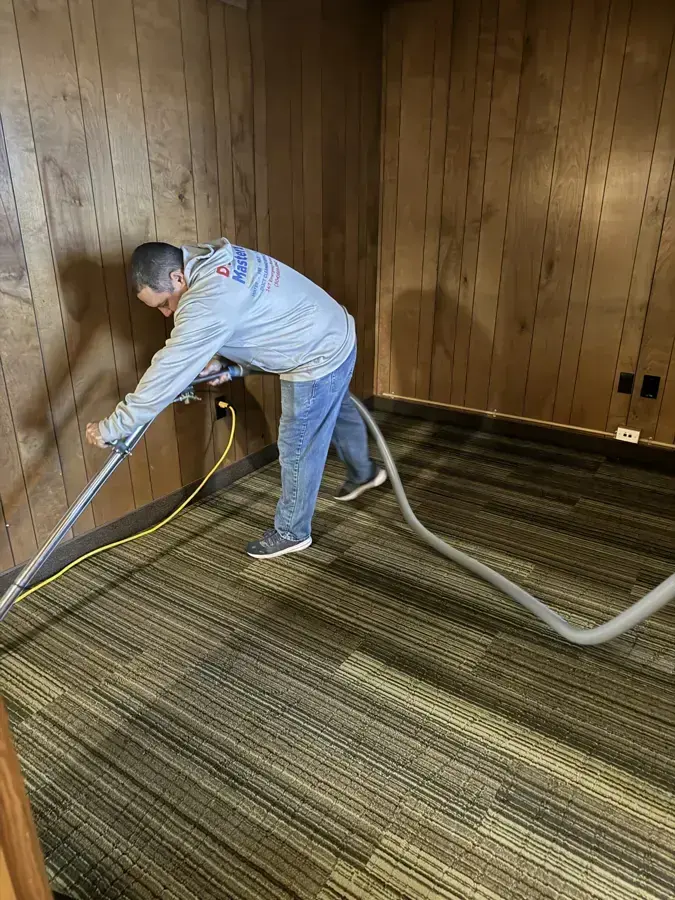
First steps for water extraction and removal in New Orleans
- 1
Stay out of deep water. Do not wade through water that may touch outlets, and leave street floodwater alone until it recedes.
- 2
Cut power to wet rooms. Switch off the breakers for soaked areas before anyone enters.
- 3
Move what you safely can. Lift small furniture, rugs and electronics onto dry surfaces.
- 4
Photograph the water level. Take wide shots with a visible reference so the depth is on record.
How the New Orleans restoration team handles water extraction and removal
Rapid local response
Dispatch runs 24/7 across New Orleans, and any active water is treated as urgent at any hour, storms and holidays included.
IICRC S500 drying standard
The drying team sizes air movers and LGR dehumidifiers to the class of loss and keeps them running until the readings say dry.
Claim-ready documentation
A moisture map, daily psychrometric logs and timestamped photos taken before demolition go into the file for the adjuster.
Humid Gulf Coast know-how
Outdoor air near the river holds a lot of moisture, so the crew dries inside closed containment instead of opening windows.
What does water extraction and removal cost in New Orleans, LA?
Water extraction in New Orleans usually costs $400 to $1,200 for one room of clean water, $1,200 to $2,500 for several rooms and $2,500 to $3,500+ when the water is deep or contaminated. The moisture map sets the final scope.
One room of clean water
- Portable pump work
- Carpet and pad checked
- Moisture map drawn
Several wet rooms
- Truck mounted pumps
- Furniture lifted off floors
- Wall bottoms probed
Deep or contaminated water
- Submersible pump setup
- Category 3 precautions
- Pad and carpet hauled out
Ranges are typical, not a quote: water category, square footage, material class and how fast drying started move the number most. Run the water damage cost calculator for a closer range.
How water extraction and removal is handled in New Orleans
Survey the water
Depth, source and water type are noted before any pump starts.
Pump it out
Pumps and wands remove standing water, then carpet and pad get checked.
Map the moisture
Meters trace dampness into walls and floors.
Hand off to drying
Equipment is set and readings begin.
Water that sits in a New Orleans room does not wait. Much of the city lies at or below sea level, and rain inside the levees has to be pumped out, so a flooded kitchen or hallway can stay wet far longer than owners expect. Extraction removes the bulk of the water first, which is the quickest way to limit what soaks into subfloors, baseboards and the bottoms of walls.
What the extraction visit includes in New Orleans
- Truck mounted extraction for large flooded floors and open rooms
- Submersible pumps when water stands deep inside a building
- Wands that pull water out of carpet and the pad beneath it
- A moisture map that shows which rooms and walls hold the water
- Furniture blocked up so legs and wood stay out of the wet
Why speed matters on low ground
Water has little place to go on a street that floods, and the pumping system is often described as handling 1 inch in the first hour of rain. A building that fills during a downpour such as the one on July 11, 2026 may sit wet while the neighborhood waits for the pumps, so extraction should begin as early as the building can be reached.
How water type changes the plan
Clean water from a supply break can often be dried in place once it is pumped out. Gray water from appliances usually means carpet and pad come out. Black water from sewage or street floodwater is treated as contaminated, so the crew contains the area, removes porous materials and sanitizes what stays. Sewage backup cleanup covers that last case in more detail.
What happens after the water is out
Pumping is only the first stage. Once the standing water is gone, moisture readings find what is still wet behind baseboards and under flooring, and structural drying equipment goes in. The crew photographs the room and logs readings so an adjuster can follow the work from the first visit to the last. Humid Gulf air slows evaporation, so equipment stays in place until the readings agree with a dry reference.
Water Extraction and Removal across New Orleans and nearby towns
Marrero Water Damage Restoration takes New Orleans extraction calls in ZIP codes 70115, 70118 and 70119, including St. Charles Avenue, Magazine Street, Canal Street and the French Quarter.
The same service nearby: water extraction and removal in Marrero, Gretna, Westwego.
Related water damage services in New Orleans
Water Extraction and Removal questions in New Orleans, LA
Water spreading as you read?
Call and describe the water. The crew explains the next steps, brings extraction equipment and starts the moisture map once on site.
(888) 417-5665 Questions about pumping outHow soon should extraction start after a leak?
As early as the water can be reached, since each day of standing water lets moisture climb into drywall and settle into subfloors. Clean water also degrades the longer it sits in New Orleans heat.
Can wet carpet be saved after extraction?
Often yes when the water was clean and caught early, because the pad is lifted or checked and the carpet dried. Gray or black water usually means carpet and pad are removed.
Does extraction work for street floodwater?
Yes, though street floodwater is treated as contaminated. The crew pumps it out, removes porous materials such as pad and drywall, and sanitizes before drying begins.
What equipment pulls water from a floor?
Portable extractors handle one room, truck mounted units handle larger areas, and submersible pumps move deep water. Wands then pull water from carpet fibers.
Do I need to be home during extraction?
Someone with access to the property should be reachable so the crew can reach affected rooms and confirm the source is stopped. Photos and notes are taken for the insurance file.
What comes after the water is pumped out?
Moisture mapping, then drying equipment sized to the room. Structural drying continues until daily readings show the materials are back to normal.
Pump out the water before it settles into your New Orleans floors
Call and describe the water. The crew explains the next steps, brings extraction equipment and starts the moisture map once on site.
(888) 417-5665Request a water extraction crew