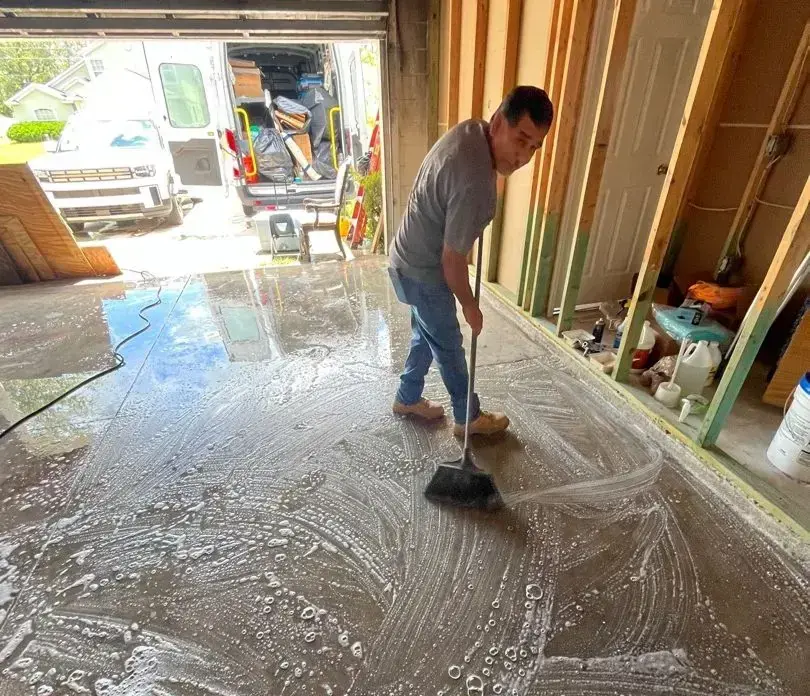
Westwego sits at an elevation of about 3 feet, and a heavy downpour has to be moved out by canals and pumps before the streets and yards drain. When that falls behind, water can reach the door of a house and then the floor inside.
Key takeaways
- Flooding in Westwego comes from rain ponding, levee overtopping and storm surge from the lakes to the south.
- FEMA repetitive loss records point to Avenue A, Dumonde Drive and Walton Drive as the most flood-prone areas, though any low block can take water.
- Street water that enters a house is treated as Category 3, so wet carpet, pad and soaked drywall usually come out instead of drying in place.
- Get people and pets out of standing water, keep clear of electrical hazards, photograph everything and call for extraction before the water settles into the framing.
- The March 27, 2009 rain, which flooded West Bank roads and some homes, is a local reminder that a single storm can do it.
Why rain water lingers on Westwego streets
The Westwego and Bayou Segnette pumping stations, in the southwestern part of the city along Bayou Segnette, drain the city through canals.
The densest parts of Westwego are protected by levees, drainage canals and storm water pumps. When rain arrives faster than the pumps can move it, the water has nowhere to go but streets, yards and low floors.
Bayou Segnette lies just south of the city and empties into Lake Salvador, and surge from Lake Salvador and Lake Cataouatche can add to the threat during a Gulf storm.
Avenue A, Dumonde Drive and Walton Drive
FEMA repetitive loss records show the most flood-prone areas along Avenue A, Dumonde Drive and Walton Drive.
That does not mean the rest of the city stays dry. Low ground, a worn roof drain or a blocked storm inlet can put water into a house on any block.
Owners in those areas are the ones most likely to want a plan ready before the next storm: where the shutoffs are, where the photos will be taken and who to call for flash flood cleanup in Westwego.
March 27, 2009: a storm the West Bank remembers
On March 27, 2009, heavy rain flooded roads and some homes and vehicles on the Jefferson West Bank. The gauge at the #2 Pump Station in Westwego recorded 4.38 inches.
It is a useful benchmark because it was not a hurricane. A spring thunderstorm was enough to put water on roads and into houses.
In February 2007 an F2 tornado also moved through Westwego during a severe storm outbreak, a reminder that storm damage here is not limited to hurricane season.
First steps when water enters the house
Street water mixes with soil, runoff and sometimes sewage, so it is handled as Category 3 from the start.
The first hours are about safety, then speed.
- Keep people and pets out of standing water, and stay away from outlets, cords and wet appliances
- Shut off power at the breaker only if the panel is dry and reachable; otherwise leave it to an electrician
- Photograph the water level on walls, furniture and floors before anything is moved
- Lift electronics, papers and small furniture onto high surfaces
- Call for water extraction so the water is pulled out before it wicks into drywall and cabinets
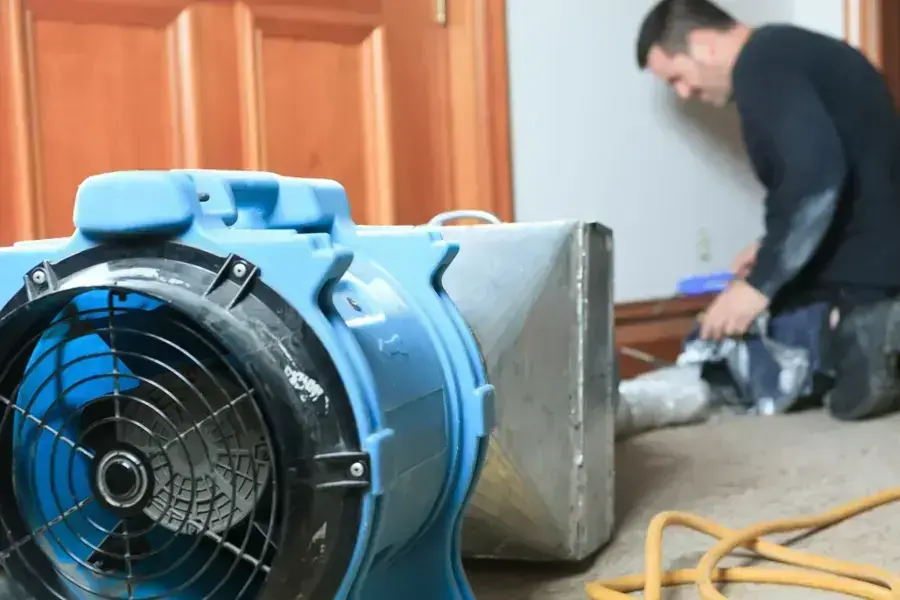
How extraction and drying work after street flooding
The work follows a simple order: remove the water, remove what cannot be saved, then dry what remains.
Pulling the water out
Truck-mounted and portable extractors lift standing water and soaked carpet. Submersible pumps handle deeper water.
Low ground and humid Gulf air slow everything down, so extraction starts as soon as the area is safe to enter.
Removing what cannot be saved
Carpet pad, soaked insulation and drywall that touched flood water usually come out, and wall cavities are opened at flood height.
Hard surfaces and framing are cleaned and treated with antimicrobial products.
Drying to a measured standard
Air movers and dehumidifiers run while moisture meters track the framing and subfloor. The standard is IICRC S500, and daily readings show when the structure has dried.
Westwego homes have a median build year of 1970, so older materials and past repairs can hold water in places that are easy to miss. Structural drying readings catch what the eye cannot.
Renters, landlords and shared walls
About 51.4 percent of occupied Westwego homes are owner-occupied, so nearly half are rentals. A tenant is often the first to see the water and the first to call.
About 25.7 percent of housing units are in buildings of two or more units, and a flood or leak in one unit can move through shared floors and walls.
- Tenants: photograph the water, tell the landlord or manager right away and keep receipts
- Landlords: approve extraction quickly, because a slow dry-out raises the repair bill
- Both: keep written records of who was told and when
Getting ready before the next heavy rain
Preparation does not stop water from coming in, but it shortens the cleanup and protects what matters most.
The same steps apply to Marrero flash flood cleanup jobs across the West Bank.
- Know where the main water shutoff and the breaker panel are
- Keep important papers, photos and electronics above floor level
- Clear leaves and debris from storm inlets and gutters around the property
- Take dated photos of the home in normal condition for before and after comparison
- Keep the insurer's claim contact and a restoration crew's contact easy to find
Records and flood insurance
Westwego is a member of the National Flood Insurance Program and has a floodplain management ordinance. Flood damage is usually handled under a separate flood policy, not a standard homeowner policy.
The owner confirms coverage with the insurer, and dated photos, an inventory of wet items and the drying logs back up the claim.
Questions
Is flood water from the street Category 3?
Yes. Water that comes in from the street carries soil, runoff and possibly sewage, so porous materials that touched it are generally removed rather than dried.
How soon should water be pumped out?
As soon as it is safe to enter. In Westwego's low, humid setting, wet drywall and cabinets begin to wick water upward quickly, and the first 24 to 48 hours also decide whether mold gets a start.
Do only homes on Avenue A, Dumonde Drive and Walton Drive flood?
No. Those streets show up in FEMA repetitive loss records, but rain ponding and surge can reach any low property in the city.
Can wet carpet be saved after a flood?
Not usually after street water. The carpet and pad are removed and the floor beneath is cleaned and dried.
Who decides what the insurer covers?
The insurer decides, based on the policy. Flood generally needs its own policy, so owners check before a storm rather than after.
What should tenants do after a flood?
Photograph the water, tell the landlord or manager at once, keep receipts and avoid moving damaged materials until they are documented. The landlord arranges extraction and repairs.