Flash Flood and Street Flooding Cleanup in Westwego, LA
On March 27, 2009, heavy rain flooded roads and some homes on the Jefferson West Bank. Flash flood cleanup in Westwego deals with dirty water first, then dries and sanitizes what is left.
(888) 417-5665Get flood cleanup help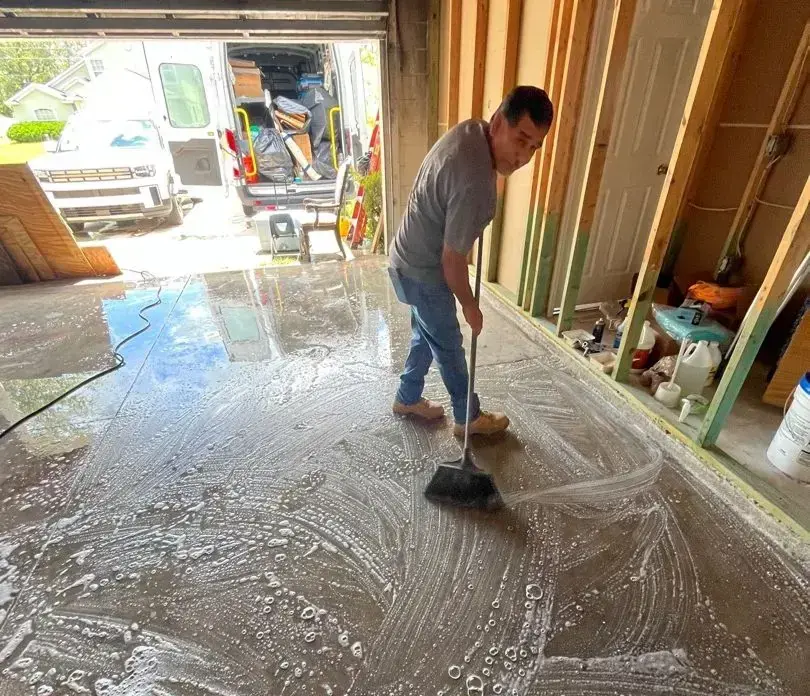
First steps for flash flood and street flooding cleanup in Westwego
- 1
Stay out of the water. Flood water can hide sharp debris and live current, so wait until power is off.
- 2
Save what stays dry. Lift electronics, documents and keepsakes above the flood mark.
- 3
Mark the water height. Photograph how high it reached on walls and furniture.
- 4
Call before cleaning. Skip the mop and bleach so the crew can assess the water type.
How the Westwego restoration team handles flash flood and street flooding cleanup
Rapid local response
Dispatch runs 24/7 across Westwego, and any active water is treated as urgent at any hour, storms and holidays included.
IICRC S500 drying standard
The drying team sizes air movers and LGR dehumidifiers to the class of loss and keeps them running until the readings say dry.
Claim-ready documentation
A moisture map, daily psychrometric logs and timestamped photos taken before demolition go into the file for the adjuster.
Humid Gulf Coast know-how
Outdoor air near the river holds a lot of moisture, so the crew dries inside closed containment instead of opening windows.
What does flash flood and street flooding cleanup cost in Westwego, LA?
Flash flood cleanup in Westwego typically costs $4,000 to $9,000 for a few inches in one area, $9,000 to $18,000 across several rooms, and $18,000 to $30,000+ for a whole ground floor. Depth sets the price.
Few inches, one area
- Carpet and pad out
- Flood cuts made
- Antimicrobial applied
Several rooms
- Drywall and insulation removed
- Flooring stripped
- Containment barriers
Whole ground floor
- Most walls cut
- Cabinets assessed
- Longer drying time
Ranges are typical, not a quote: water category, square footage, material class and how fast drying started move the number most. Run the water damage cost calculator for a closer range.
How flash flood and street flooding cleanup is handled in Westwego
Assess
Water depth, duration and category decide the plan.
Remove
Contaminated flooring, insulation and low drywall are cut out.
Sanitize
Antimicrobial treatment goes on framing and subfloor surfaces.
Dry
Dehumidifiers and air movers run behind containment until readings pass.
Flood water that comes in from the street is not the same as a leaking pipe. It carries soil, drain overflow and whatever else was on the ground. Westwego homes can see this from rain that ponds, levee overtopping or surge from the lakes, and the cleanup has to match. Sorting the damage by water type is where a flood job begins.
Streets with a repeat flood record
FEMA repetitive loss records point to Avenue A, Dumonde Drive and Walton Drive as the most flood prone areas in Westwego. Owners on those streets may already know the routine, but each flood is measured fresh, since depth and duration decide how much material comes out. Photographs of the water mark on walls are taken before any cutting starts.
What gets removed after a flash flood
- Carpet and pad, which rarely survive contaminated water.
- Insulation and drywall below the water mark, cut with a margin above it.
- Wet baseboards, trim and vinyl or laminate flooring.
- Cabinet kicks and bases, opened to check for trapped water.
- Debris and mud left behind by the water.
Rain ponding in a pump drained city
Westwego is drained by canals and the Westwego and Bayou Segnette pumping stations, and the most densely populated parts are protected by levees, canals and storm water pumps. When rain outpaces the pumps, water ponds in yards and streets and can seep inside. Even a few inches indoors can wick up drywall and trim well above the floor.
Sanitizing and drying
After demolition the cavity is cleaned and treated with antimicrobial products, then containment barriers keep dust and spores from drifting to dry rooms. Structural drying follows with dehumidifiers, and water extraction comes first when water is still standing. Daily readings show when walls and floors are dry enough to close.
Flash Flood and Street Flooding Cleanup across Westwego and nearby towns
For flood cleanup in Westwego, Marrero Water Damage Restoration works across ZIP codes 70094 and 70096, from Fourth Street and Sala Avenue to Avenue A, Dumonde Drive and Walton Drive.
The same service nearby: flash flood and street flooding cleanup in Marrero, Harahan, Gretna.
Related water damage services in Westwego
Flash Flood and Street Flooding Cleanup questions in Westwego, LA
Water spreading as you read?
Tell the crew how deep the water got and which rooms it reached, and the first visit will focus on safe removal.
(888) 417-5665 Flood cleanup questionsIs street flood water always contaminated?
Treat it that way. Street water mixes with soil and drain overflow, so porous materials are removed and surfaces are sanitized, even when the water looks fairly clear.
How much wall gets cut after a flood?
Crews cut above the visible water mark to reach dry material, then check with a moisture meter before deciding how much more has to come out.
Can hardwood floors survive flooding?
Sometimes, if the water was shallow and clean and drying started quickly. Flood water carrying contamination usually means the boards come up.
Does flood damage fall under homeowners coverage?
Flood is often a separate policy from standard homeowners coverage. Westwego takes part in the National Flood Insurance Program, but the policy holder's own insurer decides what applies.
What should I do with wet belongings?
Move dry items up and away, and set damp keepsakes aside for later sorting. Photograph items that cannot be saved before they are thrown out.
Do I need to wait for the street water to drop?
Not for an assessment. Crews can scope the damage while streets are still wet, though extraction works best once water outside has stopped rising.
Flood cleanup for Westwego homes
Tell the crew how deep the water got and which rooms it reached, and the first visit will focus on safe removal.
(888) 417-5665Start cleanup planning