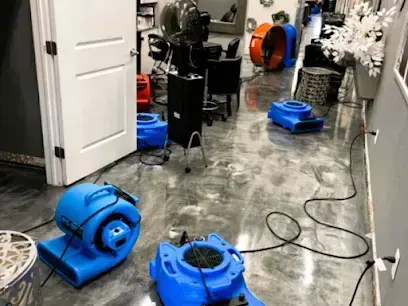
On July 11, 2026, more than 3.5 inches of rain flooded Uptown, Hollygrove and Carrollton, and the Sewerage and Water Board said the volume exceeded what the pump system can handle. Floodwater entered a barber shop on Banks Street, which is the kind of loss a small business owner has to plan for.
Key takeaways
- New Orleans has no natural outlet for rain inside the levees, so virtually all of it must be pumped out or lost to evaporation.
- When rain outpaces the pumps, street water can reach a storefront even where no one expected it.
- The first day is about safety, photos, protecting stock and records, then extraction.
- Flood water is Category 3, so wet drywall, insulation and flooring generally come out.
- A phased dry-out can keep part of a business running while the rest is repaired.
Why pumps matter so much here
Virtually all rainfall inside the levees must be pumped out or lost to evaporation because the area has no natural outlet for surface water.
Average elevation is 1 to 2 feet below sea level, and the Sewerage and Water Board of New Orleans provides water, sanitary sewer and storm drainage service throughout the city.
When rain is heavy enough, the pumps fall behind, and the water collects in low streets and lots.
What the July 2026 flood showed
The board said the volume of rain exceeded what the system can handle. Drange Pump Station 7, which drains parts of Lakeview and Mid-City, had pump problems that left water high.
The Pritchard Pump Station, which drains Hollygrove, had only one of two pumps running while the water stayed high.
It followed an August 5, 2017 storm that dropped as much as 8 inches of rain on parts of the city and overwhelmed the pumps. The pattern repeats: a slow, heavy storm, a pump limit and flooded blocks.
The first day: a plan for the owner
A business has more to protect than a house does: stock, equipment, records and customers.
A written list helps when everyone is stressed.
- Confirm the space is safe to enter and keep staff out of standing water
- Shut off power to wet areas only if the panel is dry and reachable
- Photograph and video the water depth, wet stock, equipment and damaged finishes
- Move inventory, files and electronics to dry, high areas
- Tell the landlord or property manager and the insurer about the loss
- Call for commercial water damage help so extraction starts while the water is still shallow
How a commercial flood response runs
The goal is to return the space to use while meeting a measured dry standard.
Extraction and removal
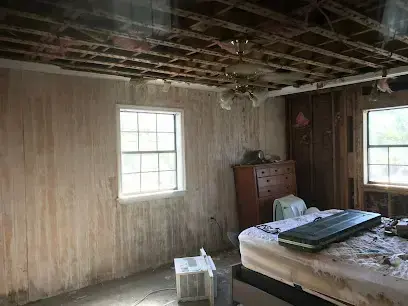
Pumps and extractors remove standing water, and wet carpet, base trim, insulation and drywall that touched flood water are cut out.
Because the water is Category 3, surfaces left behind are cleaned and treated with antimicrobial products.
Phased drying while open
Larger spaces are often dried in sections so part of the business can keep operating. Containment barriers separate wet areas from open ones.
Flash flood cleanup in New Orleans work is scheduled around opening hours when possible, including after-hours drying.
Measuring when it is dry
Moisture meters and a thermal camera map wall bases, floors and ceilings, and readings are logged daily. The standard is IICRC S500.
Structural drying ends when the readings match dry reference material, not when the surface looks dry.
What kind of business gets hit
New Orleans has commercial properties in the French Quarter, along Magazine Street and in the Central Business District, plus port property.
A barber shop, a boutique, a restaurant or an office all face the same basic problem: water on the floor and a business that cannot wait long to reopen.
Power, pumps and the grid
Drying equipment needs electricity, and the grid is part of the story. On August 29, 2021, Hurricane Ida knocked out all eight power transmission links into New Orleans.
After Ida, Entergy provided backup generation to the Sewerage and Water Board, and 179,621 Orleans Parish customers were still without power on the Monday afternoon.
For a business, that means a dry-out plan may include generators, and the owner asks about this up front.
Katrina and the wider flood history
On August 29, 2005, Hurricane Katrina's storm surge caused about 23 breaches in drainage canal and navigational canal levees and floodwalls. By August 31, about 80 percent of the city was flooded, while the French Quarter and Garden District escaped flooding.
A National Academy of Engineering and National Research Council study says levees and floodwalls reduce but do not eliminate hurricane and storm surge risk.
What a business should have ready
A short file prepared before a storm saves hours of searching afterward. A New Orleans water damage hub page can be a starting point for services.
- Contacts for the landlord, the insurer and utilities
- Photos of the space in normal condition
- A plan for lifting stock, files and equipment off the floor
- The location of the water and power shutoffs
- An inventory of equipment and stock with values
- Backup copies of key records stored off site
Know which pumps serve the block
The July 2026 flood reached Uptown, Hollygrove and Carrollton, while Drange Pump Station 7 drains parts of Lakeview and Mid-City and the Pritchard Pump Station drains Hollygrove.
Elevation varies a great deal across the city, from about 20 feet at the base of the river levee in Uptown to about 7 feet below sea level in the farthest reaches of eastern New Orleans.
A business owner who knows which pump station serves the block, and how low the floor sits compared with the street, can judge the risk and plan stock placement.
Records for the insurer
Policies vary, and flood damage often needs its own coverage, so the owner confirms with the insurer instead of assuming.
Photos, an itemized list of damaged stock and equipment, receipts for emergency work and the daily drying logs are what a business claim file needs.
Questions
Does New Orleans have a natural outlet for rain?
No. Rainfall inside the levees has to be pumped out or lost to evaporation.
Can a business stay open during a dry-out?
Often partly. Crews work in sections and use containment to separate wet areas from open ones, depending on the damage.
Is flood water Category 3?
Yes. Street water carries soil and contaminants, so materials that soaked it up are generally removed.
What records should a business owner keep?
Photos and video of the water and damage, a list of damaged stock and equipment, receipts, and the daily moisture and drying logs.
Who decides if the loss is covered?
The insurer decides under the policy. Flood coverage is often separate, so owners check before a storm.
Why does drying equipment matter when the power is out?
Dehumidifiers and air movers need electricity. Generators can run them, and a crew explains the plan during the first visit.
How can a business owner learn the flood risk of a location?
By asking the Sewerage and Water Board about the drainage serving the block and checking how the floor sits compared with the street. An insurer can also explain flood coverage.