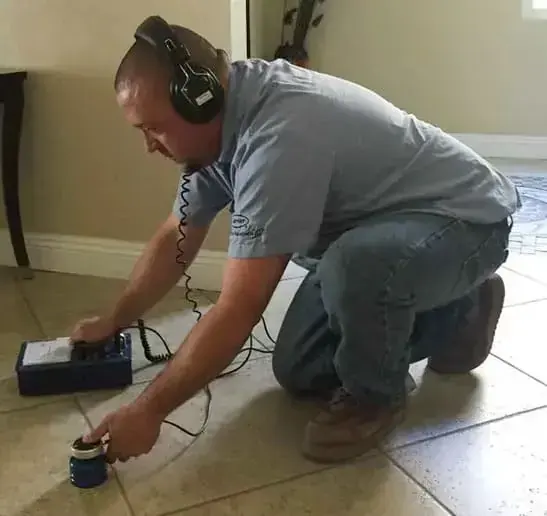
Much of Marrero was built from the 1950s to the 1980s on concrete slabs, and the pipes under those slabs stay out of sight until the floor turns warm, damp or stained. A leak down there can run for weeks before anyone connects the clues.
Key takeaways
- A slab leak is a break in a drain or supply pipe under or inside the concrete floor, and it keeps wetting the home from below until the pipe is repaired.
- Typical warning signs are a water meter that keeps moving with everything off, a warm patch on the floor, damp carpet and a sudden jump in the water bill.
- Marrero's older slab-on-grade homes have cast iron drains and supply pipes that can crack as the soft delta soil under them settles.
- Shut off the water at the main valve, take photos and leave the concrete alone; a plumber finds and fixes the pipe while a restoration crew dries what got wet.
- A cracked drain can carry waste, so wet flooring near one is handled as Category 3 water.
Why slab leaks show up in Marrero homes
A large share of Marrero housing is slab-on-grade ranch homes from the 1950s to the 1980s, with supply and drain pipes buried in or under the concrete.
Cast iron drains and supply pipes can crack as the soft delta soil beneath them settles, and the break stays hidden under carpet, tile or laminate.
Gretna sits on the same West Bank, and its low ground sinks slowly too, which is why slab leaks in Gretna are worth knowing about across the area.
Warning signs of a leak under the floor
Slab leaks rarely announce themselves with a puddle. The first clues are small and easy to explain away.
One sign alone proves little, but two or three together justify a call to a plumber for leak detection.
- A water meter that keeps turning when every faucet, appliance and ice maker is off
- A warm patch on a tile or concrete floor, sometimes where a hot water pipe runs
- The sound of running or hissing water when the house is quiet
- Damp carpet, lifting laminate, or tile that sounds hollow or starts to crack
- Baseboards that swell or stain along the bottom edge
- A musty smell with no visible source, or a sudden rise in the water bill
First steps when a slab leak is suspected
The priority is to stop feeding the leak and to protect what is already wet.
Turning the water off at the main also protects the rest of the house while the broken pipe waits for repair.
- Shut off the water at the main valve and check whether the meter stops
- Switch off power to wet areas only if the breaker panel is dry and easy to reach
- Lift small rugs, move furniture off wet flooring, then take photos and short video
- Leave the concrete alone, because cutting a slab before the pipe is located makes the damage bigger
- Call a plumber for leak detection and the pipe repair, and a restoration crew for the wet materials
What the restoration crew lifts and dries first
The order of work follows the water: remove what is holding it, then pull it out of what cannot be removed.
Flooring and baseboards
Wet carpet, pad and laminate hold water against the slab and usually come up first. Baseboards come off so the bottoms of the walls can release moisture.
Tile can often stay when the grout and underlayment are sound, while the water beneath it is dried out through small openings.
The slab and the lower walls
Concrete soaks up water and gives it back slowly, so it dries far more slowly than drywall does.
Moisture meters and a thermal camera map where the water traveled, and those readings decide where equipment goes. Structural drying with LGR dehumidifiers and air movers then draws the moisture out of the slab and the lower walls.
Humid air works against the dry-out
Marrero has a humid subtropical climate with more than 60 inches of rain a year, so outdoor air stays damp for much of the year.
That is why doors and windows stay shut during a dry-out and dehumidifiers do the heavy lifting. Daily readings show when the concrete reaches the IICRC S500 dry standard.
Supply leak or drain leak: why the difference matters
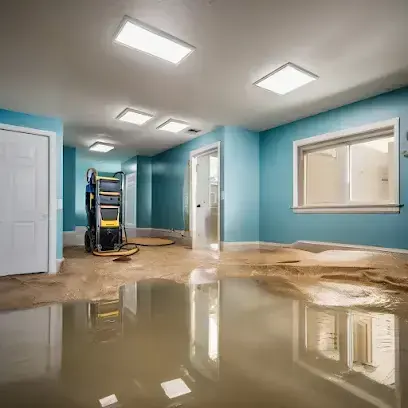
A cracked supply pipe floods the floor with clean water, and the job is extraction and drying.
A cracked drain under the slab can push waste water up into the room, and that water is Category 3. Porous materials such as carpet and pad are removed rather than dried, and the area is cleaned with antimicrobial products.
In both cases water extraction comes first, and the water category sets what can be saved.
- Clean supply water: dry in place wherever the materials allow
- Waste water from a drain: contain the area, remove porous materials, clean the surfaces
- Water that has sat for days: treat it as contaminated until a crew and the readings say otherwise
Why waiting makes a slab leak worse
A slab leak that runs unnoticed can lift tile, swell cabinet bases and loosen the floor covering in room after room.
Water also travels sideways under the concrete and rises through cracks and joints, so the wet area is often bigger than the spot where the first stain appeared.
Steady moisture under flooring is also what makes damp materials smell, which is another reason the owner acts at the first sign.
How the work is divided between trades
A plumber's job is to find the break and repair or reroute the pipe. The restoration crew's job starts where the leak ends: moving the water out and drying the structure.
The sequence matters. Drying equipment set up before the pipe is fixed would be working against a leak that is still running.
- Plumber: leak detection, pipe repair or reroute, and a pressure test
- Restoration crew: extraction, removal of wet materials, structural drying and a moisture log
- Owner: shutoff, photos, notice to the insurer and approval of the repair plan
Documenting the loss for an insurance claim
Photos of every wet surface, the meter reading before and after the shutoff, and the plumber's leak report give an adjuster a clear record of events.
Many policies treat a hidden slab leak differently from a sudden pipe burst, so the owner asks the insurer directly what is covered.
The first 24 to 48 hours matter because damp materials left in place can begin to grow mold. A dated drying log with daily moisture readings is the record that shows the home reached dry.
Questions
How can an owner tell the water is coming from under the slab?
Close every fixture and check whether the water meter still moves. If it does and the yard and exterior pipes are dry, a plumber can use listening and thermal tools to place the leak under the floor.
Should the concrete be cut open right away?
Not before the pipe is located. The plumber finds the break first so the opening stays small, and the restoration crew then dries what the leak soaked.
Is a slab leak covered by insurance?
That depends on the policy wording, and some policies separate the cost of repairing the pipe from the water damage it caused. Photos, the plumber's report and a drying log support the claim.
How long does a wet slab take to dry?
It depends on how long the leak ran and how humid the air is, and concrete dries more slowly than drywall. Daily readings, not a fixed number of days, show when the floor is dry.
Are Marrero homes more likely to get slab leaks?
Local records do not give a count, but older slab-on-grade homes with cast iron pipes in settling delta soil fit the pattern where hidden leaks tend to start.
Can a household stay in the home during a slab leak dry-out?
Often yes, with equipment running and some rooms off limits. A drain leak that carried waste water can change that, and the crew explains which areas stay closed.